Empowering Lives: Strategies for Cancer Survivors and Support Systems
Navigating the journey after a cancer diagnosis is akin to steering a ship through uncharted waters. The emotional toll, the fluctuating mental health states, and the overwhelming plethora of decisions can leave any cancer survivor feeling adrift. However, there are essential coping strategies that can anchor you during this stormy season. From accessing oncology resources to engaging in community outreach initiatives, these strategies empower cancer survivors and facilitate the support systems needed for healing and growth. What if, instead of merely surviving, you could thrive through this journey?
One of the most vital strategies for coping involves understanding your own health needs. With advancements in cancer research and treatments such as immunotherapy and palliative care, it's crucial for survivors to stay informed and engaged. This means advocating for oneself in the healthcare realm, asking the right questions, and exploring clinical trials that may offer new hope. Empowerment comes from knowledge, and by actively participating in your treatment decisions, you not only enhance your health outcomes but also reinforce your sense of control in a world that can feel uncontrollable.
In addition to medical care, never underestimate the power of nutrition and fitness in the healing process. Research shows that lifestyle changes can significantly impact your recovery and overall well-being. Embracing a holistic health approach through balanced diets rich in nutrients and regular physical activity tailored to your abilities can rejuvenate both the body and mind. Have you thought about how the food you eat can fuel your recovery? Small adjustments, like adding a colorful variety of fruits and vegetables or consulting with a nutritionist, can lead to profound improvements in your health.
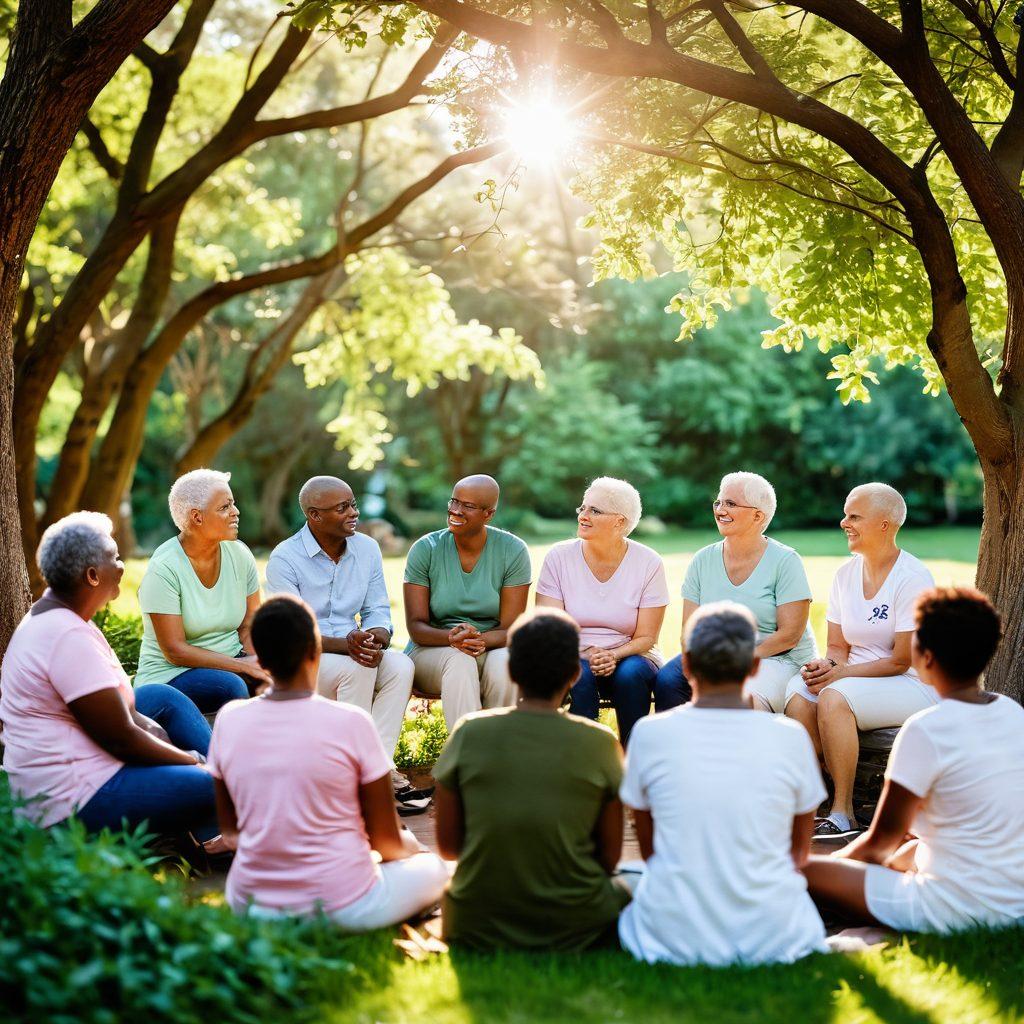
Another powerful coping strategy lies within the realms of emotional support and personal stories. Joining support groups can provide a safe space for sharing experiences and receiving comfort from those who truly understand the challenges you face. If the pain of malignancy seems isolating, remember that there are communities ready to welcome you with open arms. Reflecting on personal stories of survival can spark hope and help you see that the end of one chapter can lead to the beginning of another. How can creating your own narrative empower you?
Finally, keeping yourself aware and proactive through screening and detection initiatives is a self-empowerment tool and serves as a preventive measure that can help catch any further health concerns early. Awareness campaigns and informational resources can provide additional layers of protection. Perhaps the most important lesson in this journey is that there are always paths forward—through therapy, emotional support, and lifestyle changes, individuals can cultivate resilience. Embrace your story, explore alternative treatments, and allow yourself the grace to heal. How will you choose to navigate your journey?
Building a Strong Network: The Role of Support Systems in Healing
When it comes to the journey of cancer survivors, one thing is undeniably clear: the role of support systems can make all the difference. Navigating through the complexities of oncology—whether it be understanding your tumor types, exploring treatment options like immunotherapy, or deciding on lifestyle changes—can be overwhelming. What if I told you that there is a treasure trove of resources and people ready to support you along the way? In this blog, we will dive deep into the significance of building a strong network, reminding us that we are not alone in this fight against malignancy.
Imagine sitting in a quiet room, grappling with a cancer diagnosis. The weight of the news can feel isolating, heavy, and almost unbearable. This is where emotional support comes in, acting as a beacon of hope. Support groups provide an opportunity for cancer survivors to share personal stories, fostering a sense of community. Engaging in these groups can open doors to new friendships and crucial informational resources, equipped with strategies for coping that could ease the burden. What a relief it is to know there are others who understand your journey and uplift you in times of need!
However, support systems aren't just about having someone to talk to; they encompass a holistic health approach that integrates mental, emotional, and physical well-being. By connecting with healthcare professionals, including oncologists, therapists, and nutritionists, you can build a rounded care plan that might involve palliative care, clinical trials, and even alternative treatments. These healthcare champions are our allies, offering guidance, novel strategies, and the latest in cancer research. Have you ever considered how a well-rounded healthcare team can enhance your recovery journey? Building connections with these experts is key!
Furthermore, community outreach initiatives and awareness campaigns serve to widen the safety net for cancer survivors. Participating in events focused on screening and detection not only raises awareness but also provides educational opportunities. They can delve into preventive measures, which is vital for future health. It’s empowering to have a role in a community while receiving the support we need during trying times. Identifying your local support resources can help you stay informed and involved. Isn't it uplifting to be part of a collective change?
In conclusion, building a strong network is not just a luxury for cancer survivors; it's a necessity. Every individual on this journey deserves the right to effective emotional support, advocacy, and access to resources. From nutrition and fitness to the latest in cancer treatment options, the connections you make can ignite a transformative journey. So, reach out, engage, and conquer your path with the comfort of knowing you are surrounded by a community dedicated to your healing. What will your first step be in building that network of support?
Holistic Approaches to Wellness: Nutrition, Fitness, and Emotional Care for Survivors
Cancer survivors often face a myriad of challenges after their main treatment concludes. It's not just about the physical scars left by malignancy; it's the emotional and mental hurdles that can take years to overcome. How does one truly reclaim their life after experiencing such a profound ordeal? Enter holistic health—a multifaceted approach aimed at restoring balance through nutrition, fitness, and emotional care. This method doesn’t just focus on the absence of disease; rather, it emphasizes the overall well-being and the lifestyle changes that can enhance vitality post-cancer.
The journey to wellness post-cancer involves not only the right oncology care but also the support of a community. This is where the power of nutrition comes into play. Cancer survivors often ask, "What should I be eating to support my healing?" The answer lies in a balanced diet rich in whole foods—fruits, vegetables, and lean proteins that help boost the immune system and aid in recovery. According to numerous personal stories shared by survivors, adapting to a nutritional regime that promotes healing can be as vital as immunotherapy or palliative care itself. Not only does good nutrition fortify the body, but it also delivers emotional comfort through familiar and enjoyable meals.
Along with nutrition, incorporating fitness into daily routines is paramount. However, it can seem daunting for someone who has undergone treatment. Survivors may wonder, "How active should I be?" The key is to start small. Light exercises, walking, or gentle yoga can significantly impact recovery. Engaging in fitness not only enhances physical quality but also contributes to emotional stability. As one survivor put it, “Moving my body again wasn’t just about fitness; it helped me rediscover my strength.” These activities foster a sense of control over one's health and are critically aligned with the strategies for coping with the lingering fears of recurrence.
Emotional support is another crucial element in holistic approaches to wellness. Joining support groups or participating in community outreach programs can create a network of understanding and shared experiences. Survivors often find solace in sharing their stories and learning from each other. Informational resources about cancer research and clinical trials provide new knowledge and insights, encouraging patient advocacy. The more informed a survivor feels, the more empowered they become, and this empowerment can transform their approach to life after cancer. It’s not merely surviving; it’s about thriving.
Lastly, awareness campaigns around screening and detection play a significant role in the survivor community. They remind us that preventive measures are vital for a healthier future. Survivors can often lead these initiatives, turning their journey into a platform for education. By harnessing their experiences, they encourage others to prioritize healthcare and advocate for lifestyle changes that make a difference. So, whether it be through nutrition, fitness, or emotional support, the holistic approach signifies more than just a path towards recovery; it symbolizes a renewed commitment to living fully, one strategic step at a time.